Precision child health can literally change a kid’s life
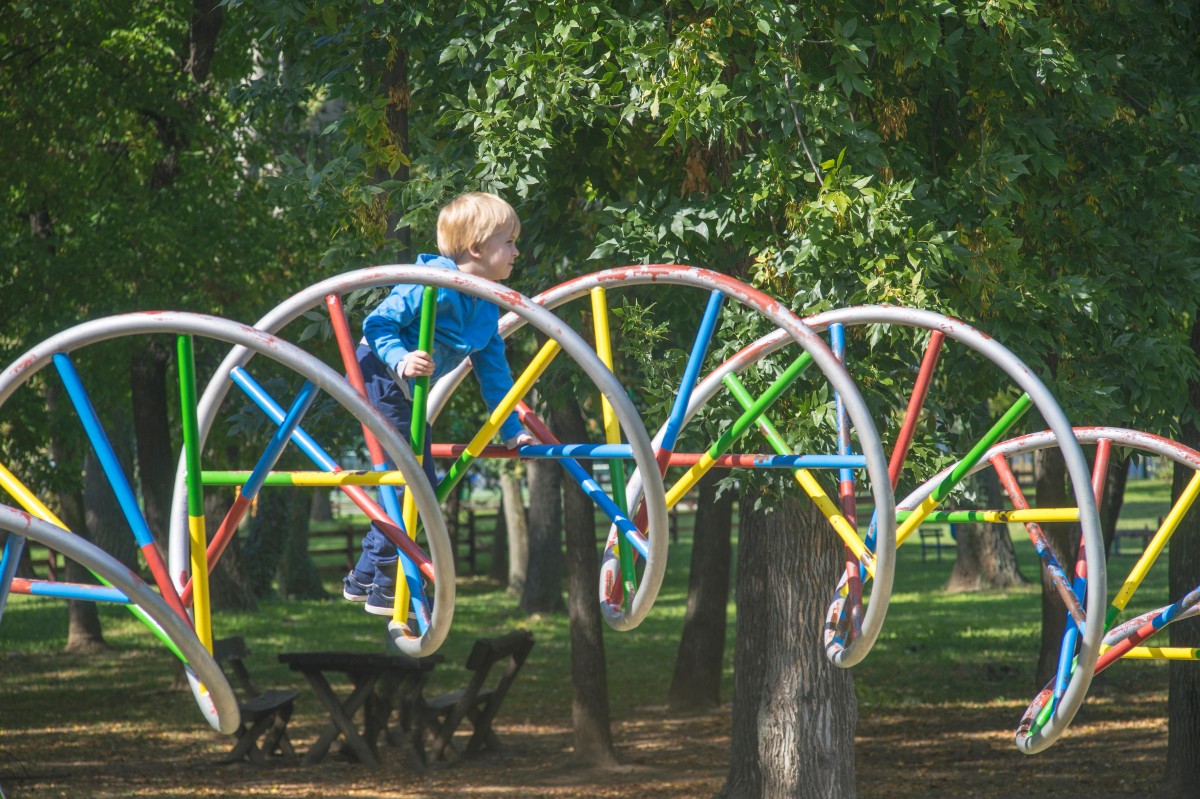

Genetics can inform diagnoses, and can be a route to treatment, but improving a child’s health also involves environmental and lifestyle interventions.Credit: diatrezor/ Getty Images
When kids get sick, they often face a harrowing “diagnostic odyssey” to find what the issue is and how, or if, it can be treated, says Stephen Scherer, chief of research at The Hospital for Sick Children (SickKids) Research Institute in Toronto.
“Sometimes the patient would have to come into the hospital six or seven times, each time being assessed using different technologies,” he says.
Diagnoses can be particularly challenging in paediatrics not only because young children are less able to articulate what is wrong, but because their illness is often still developing and may not yet have fully manifested. “When a paediatric case initially presents you may have only a piece of the puzzle in terms of what that phenotype is, which can make it more challenging to diagnose a child with a particular disorder,” says Heidi Rehm, chief genomics officer at Massachusetts General Hospital.
Precision medicine technologies like genome sequencing are helping to bring that odyssey to an end, and supporting new ways to diagnose, treat and even prevent childhood ailments like cancer, epilepsy and many rare diseases. “With the whole genome sequence, we can get a diagnosis for up to 50% of the kids right up front, within a few days,” says Scherer.
Helen Cross, from Great Ormond Street Hospital in London, says genetic data has led to a diagnostic revolution in her speciality of childhood epilepsy. There are more than 900 genes that can cause epilepsy, and knowing which one is the culprit can help to determine the best treatment.
That, says Ronald Cohn, president and CEO of SickKids, is the promise of precision child health: “Every child will get the right diagnosis and right treatment at the right time”. At the Precision Child Health conference, organized by Nature Conferences and SickKids, researchers and clinicians came together to discuss ways to make that promise a reality. The opportunities to use genetics and related technologies to help sick children, who still have their whole life ahead of them, are huge — though challenges remain around ensuring data are shared widely and access to complex treatments is equitable.
Beyond the genetic code
There is more to precision medicine than genetics, which is why SickKids uses the term ‘precision child health’, to take a more holistic approach, says Cohn. Other biological data, as well as the social determinants of health, are just as important. “We want to analyse as much data as possible that influence each child’s health —from the genetic code to the postal code,” he says.
Looking beyond the genome, to the RNA transcriptome, proteome and epigenome, provides more information to hone disease identification. “Kids with a more precise diagnosis have better outcomes,” says Elaine Mardis, co-executive director of the Institute for Genomic Medicine at Nationwide Children’s Hospital in Columbus, Ohio. Mardis helps run the Molecular Characterization Initiative, a project that collects, analyses and reports clinical and molecular data to help choose the best treatment for children with brain and spinal cord cancers, soft tissue sarcomas and other rare paediatric cancers.
While genetics and molecular biology offer clues to diagnosis, they are not necessarily the only, or even the best, ways to intervene. “We have to integrate the lifestyle and the environmental exposures as well,” says Stephen Chanock, director of the intramural division of cancer epidemiology and genetics at the US National Cancer Institute. “Something that we are light years behind on compared to what we are doing in genetics.”
Chanock gives the example of familial hypercholesterolaemia, a set of diseases associated with early cardiovascular crisis. If doctors can identify children with this genetic predisposition early in life, they can make recommendations around diet and exercise that can modify that risk. “That’s the kind of thing that I see in the future of precision medicine,” he says. “Not only identifying diseases, but figuring out how we use that information at the earliest possible time to mitigate, intervene or prevent catastrophic outcomes.”
Robert Green, professor of medicine and genetics at Harvard Medical School, agrees that preventing future disease is one of the biggest potential benefits of precision child health. “Genomics is really the tip of the spear to try to realize what every single child is vulnerable to at any stage of their life,” he says.
Green is researching the idea of universal childhood genomic screening in his BabySeq project at Brigham and Women’s Hospital in Boston. It looks at around 4,300 different genes and found that 11% of infants screened had unanticipated monogenic disease risks1. These results allowed for personalized management of some infants, while also not significantly increasing parental distress or healthcare costs — two potential issues often raised in discussions of widespread screening programmes.
Sharing is caring
While projects like the Molecular Characterization Initiative and BabySeq are generating mountains of important data, there remains a gap when it comes to sharing that data across the field of paediatrics.
“Data sharing is usually the last thing to be prioritized, but it’s necessary to reach the potential of genomic medicine,” says Rehm. “We have to put the data out there or these families don’t get a diagnosis.”
Sharing data is particularly important when dealing with rare diseases, where no clinician is likely to see more than one case. To facilitate this communication, Rehm helped develop seqr, an open-source, web-based tool for family-based monogenic disease analysis that allows researchers to work collaboratively on genomic analysis. Seqr has already helped diagnose almost 4,000 people with rare diseases2.
Rehm says the importance of sharing data is starting to permeate the community; researchers are increasingly taking it upon themselves to ensure their data are shared from the start, not as an afterthought. “I’m seeing more and more people who recognize that this will advance their science,” she says. “And they’re seeking out ways to share their data, and looking for guidance and looking for help.”
Conferences like this one provide important opportunities for people working on all the different aspects of precision child health to meet, interact and form new working relationships across disciplinary boundaries. “These academic worlds are really siloed, and we have to take a more holistic view,” says Chanock. “Whether it’s a child who may be at high risk for paediatric cancer or for diabetes or neurodevelopmental disorders, we probably have more shared opportunities than we realize.”
The conference showed how already precision health is making a difference for children, particularly in the number of new therapies for rare diseases. “It’s no longer an incredibly rare thing that you get diagnosed with a disorder that actually has a therapy,” says Rehm. “That’s really hitting a turning point.”
link